
30 April, 2026
[huge_it_share]
5 Tips for Baking Better-Looking Pastries
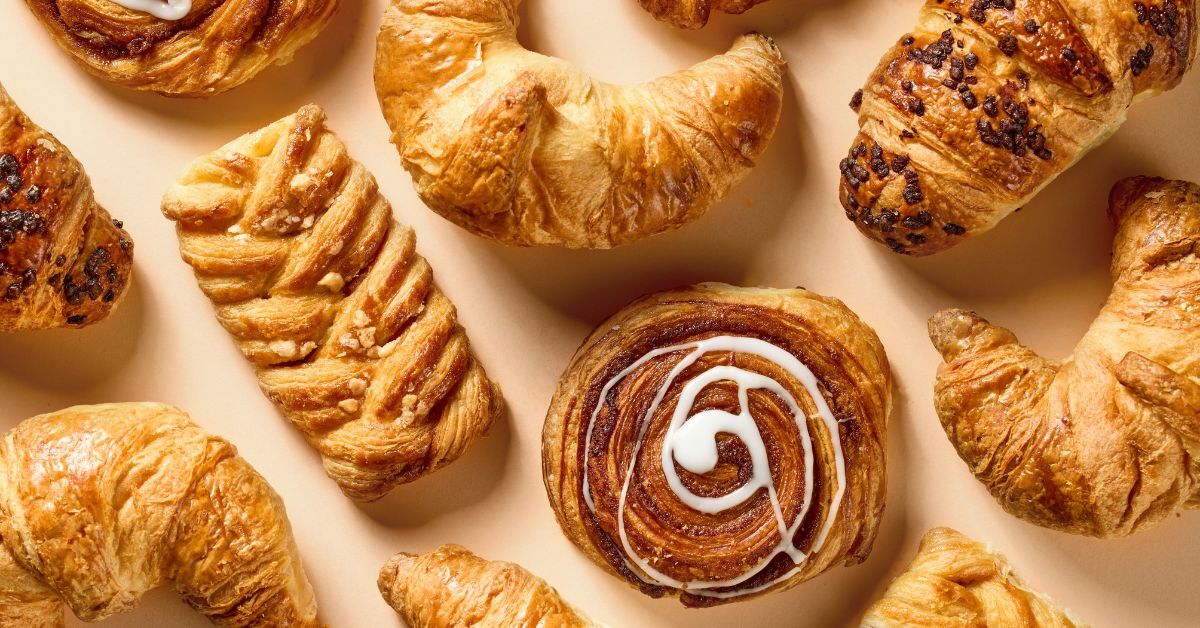
A better-looking batch doesn’t come from luck. A few practical baking choices can help your pastries come out neater and more eye-catching each time.
Want a few tips for baking better-looking pastries before your next batch goes in the oven? A good pastry can taste amazing and still look a little rough around the edges. Small choices during prep and finishing can help your pastries look just as good as they taste.
Start With Even Portions
Good-looking pastries begin before they go into the oven. Even portions help each piece bake at the same rate, rise with a similar shape, and brown more evenly across the tray. Dough that varies in size creates a mixed batch where some pastries look pale while others turn too dark. To get your portions even, use a kitchen scale and divide the dough by weight instead of estimating by sight.
Use Egg Wash for Color and Shine
Egg wash helps pastries develop deeper, more even color as they bake. It also adds a slight shine that gives the surface more contrast and definition. To make egg wash, all you need to do is mix one egg with a small amount of water or milk. Use a pastry brush to spread the mix evenly across the surface of your dough before baking. Keep the layer light; going too heavy on egg wash can create dark patches or a streaky finish.
Chill Dough Before Baking
Chilling dough helps pastries hold their shape in the oven. Warm dough spreads too quickly, which can flatten edges and blur layers. Cold dough keeps lines sharper and corners more defined as the pastry bakes. Even 20 to 30 minutes in the fridge can help dough stay firmer on the tray. After shaping the pastry, chill it briefly, then bake it right away so it goes into the oven while still cold.
Add a Glaze
Adding a glaze to pastries like danishes, croissants, and fruit tarts can give them a rich glossy sheen. Bakers use a variety of ingredients to make glaze, but one particularly popular option is beeswax. Yes, beeswax! Understanding the science behind beeswax makes it easier to understand why it’s such a useful glaze-maker. When melted and mixed into the right formula, beeswax helps create a thin coating that sets smoothly. Consider using it the next time you want pastries with a brighter, cleaner finish.
Add Toppings with Purpose
Toppings can make your pastries look sharper and more inviting, but only when they’re used with control. Too few toppings can leave the surface looking plain or unfinished. Conversely, too many can cover the shape, crowd the design, and pull attention away from the pastry itself.
Stick to one or two topping types. Your toppings should make sense for the flavor, color, and texture of the pastry. For example, if you’re making a cream and mango cake, you can decorate it with thin mango slices, piped cream, or small mint leaves. Or, finish a chocolate tart with a light dusting of cocoa powder or a few chocolate curls.
Small Details Change the Final Look
Baking better-looking pastries gets easier once you pay closer attention to the details on the surface. A little more care with portioning, topping, and finish can change how the whole batch looks.
(46)