
16 August, 2025
[huge_it_share]
How To Make Best Authentic Jagannath Puri Khaja Recipe
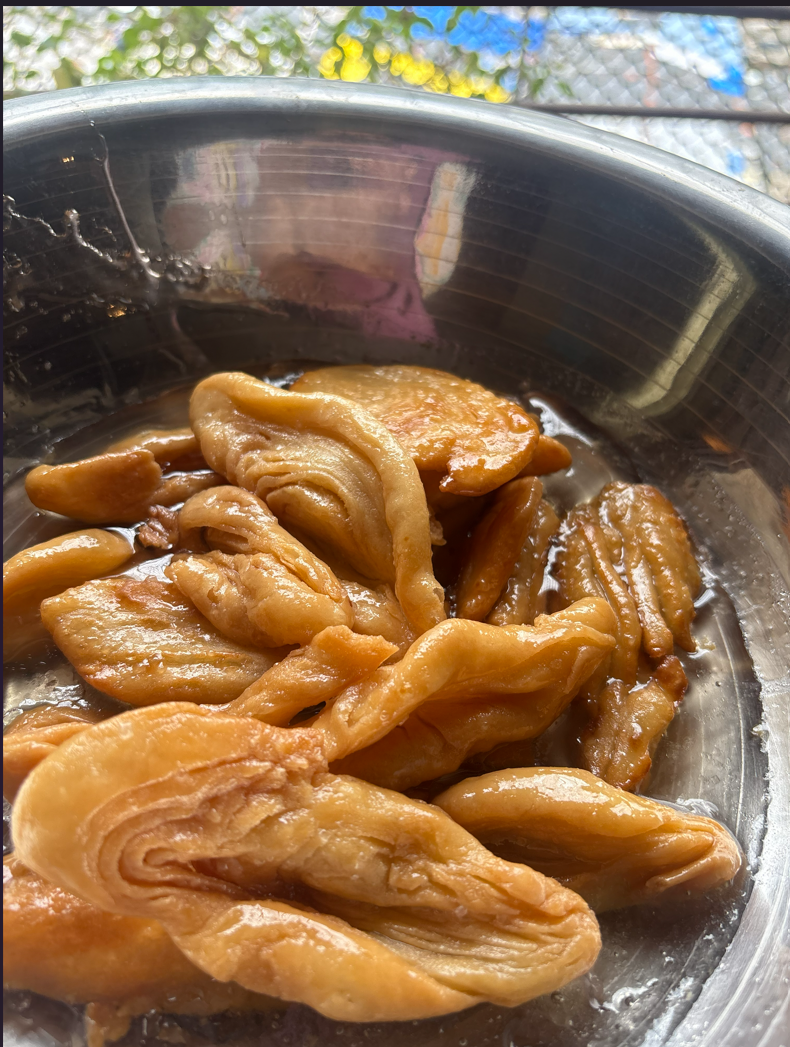
jagannath puri khaja recipe is a special, flaky, and crispy deep-fried pastry dunked in sugar syrup, popularly distributed as offering to the Lord Jagannath called Maha Prasad at the Jagannath temple in Puri. In Bengali it is called “Jibhe goja”, “Jibh” or “Jiwha” means tongue, as this sweet is tongue shaped and the word “Goja” is derived from the Persian word “Gaz” meaning sweet. To watch the video visit
Jagannath puri khaja recipe
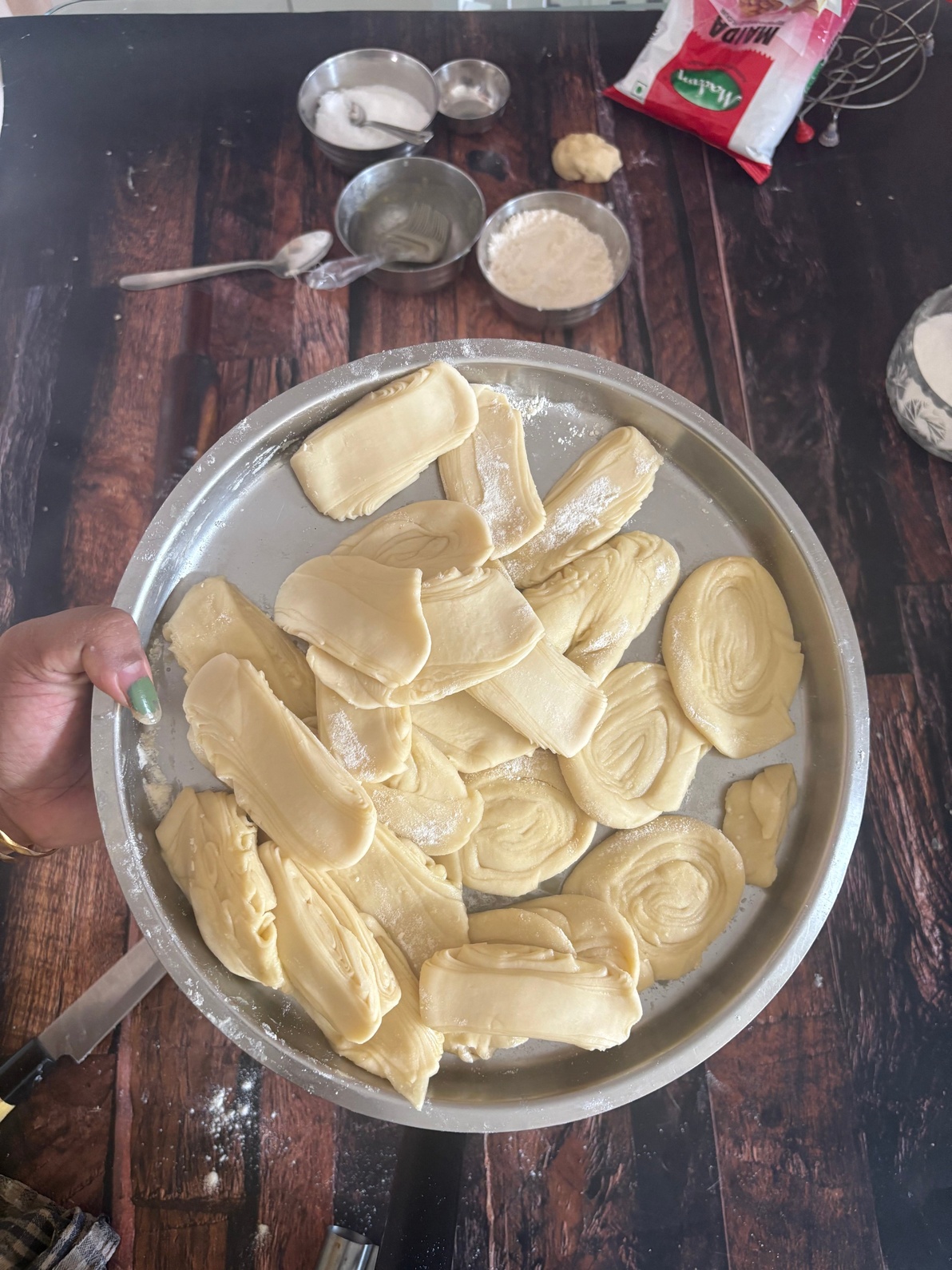
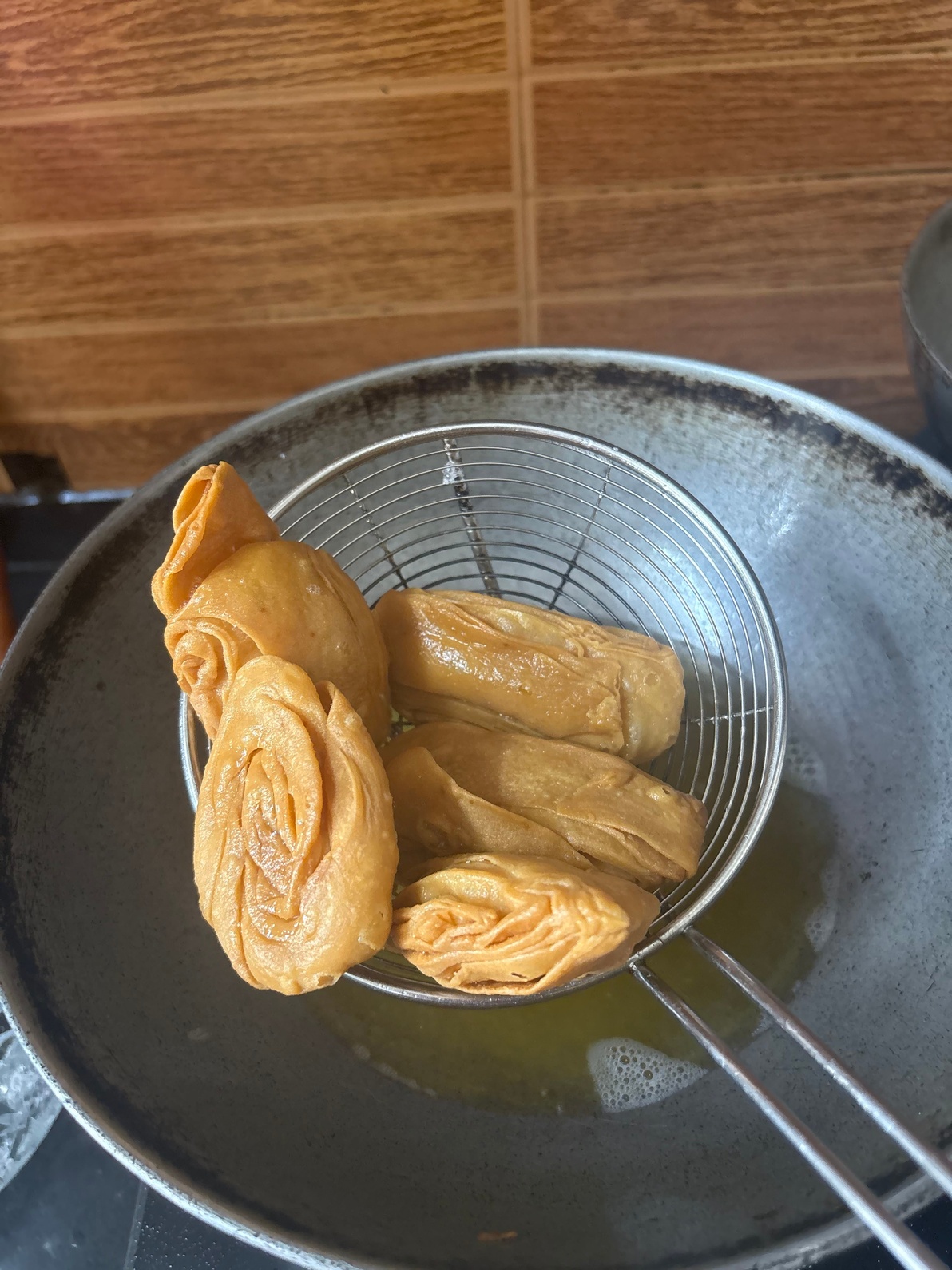
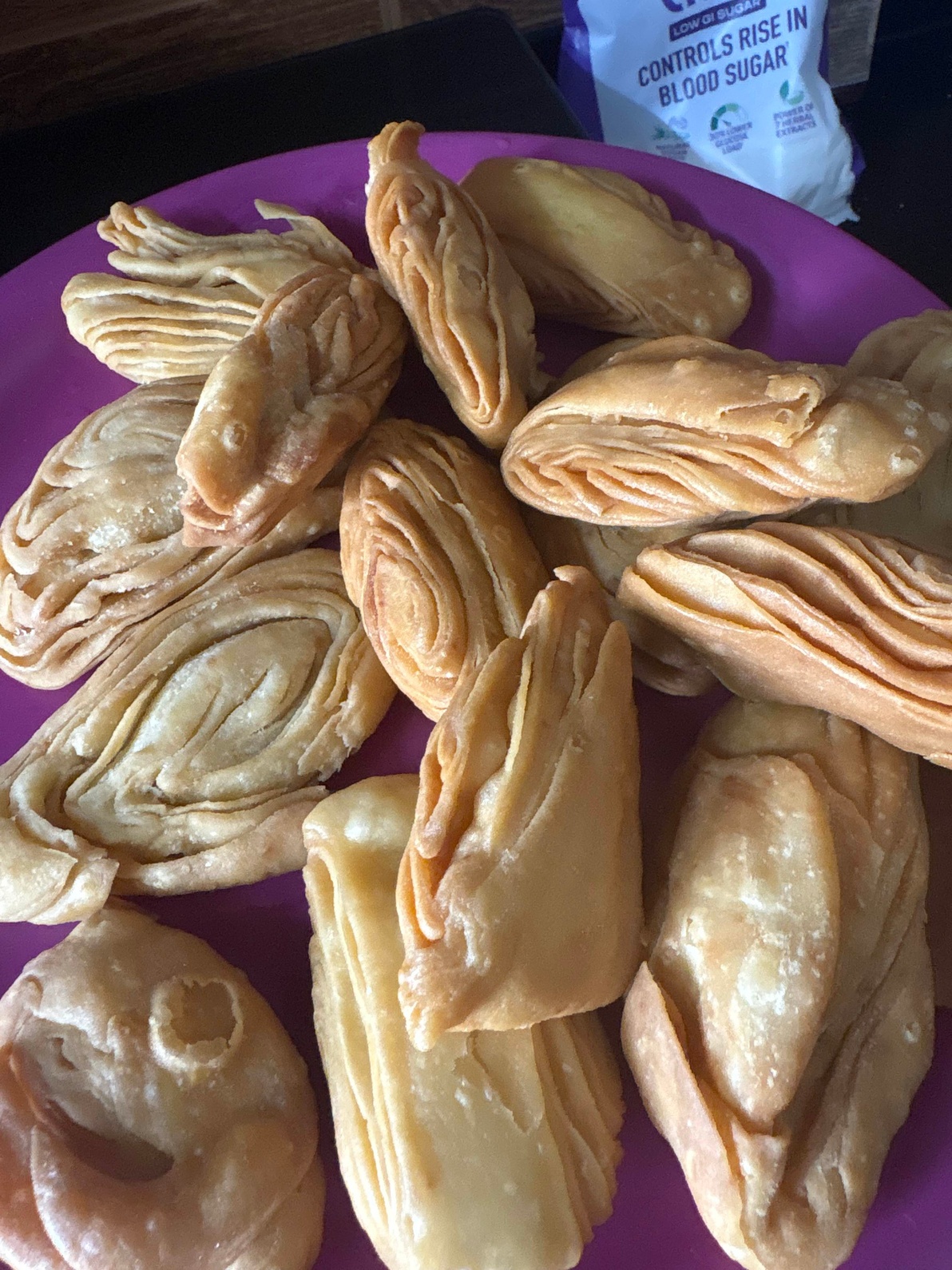
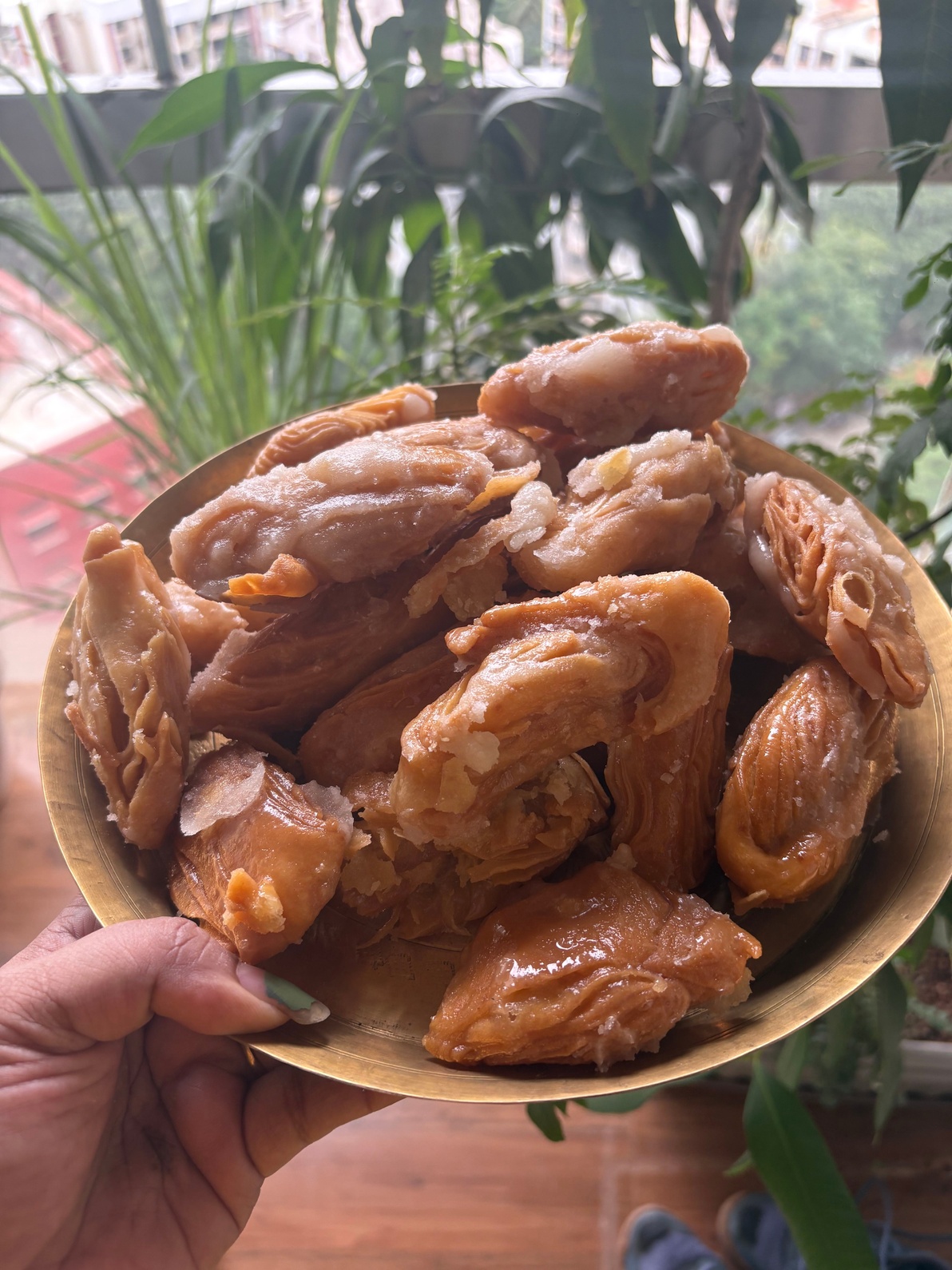


Ingredients required
For Sugar Syrup:
- Sugar – 2 cup
- Water – 1 cup
- Cardamom powder
For Paste for brushing:
- Ghee – 3 tbsp
- rice flour – 3-4 tbsp
For Dough:
- All-purpose flour – 500 gm
- Ghee -200 ml
- Salt – 1 pinch
- baking soda 1/2 tsp Water – as required
- Oil – for frying
Instructions
For Sugar Syrup,
- Take a pan, put Sugar & Water in it.
- Put Lemon Juice, make Sugar Syrup of 2 string.
For Paste
- Mix Ghee & All Purpose Flour & make a paste.
- Take some All-Purpose Flour, put Ghee, a pinch of Salt and soda & mix them.
- Bind the firm dough by adding Water & cover it for 20 mins.
- Make dough balls & roll them. into 5 to 6 rotis.
- Apply paste on the roti then put another roti Chapati on it and apply paste on it as well.
- In the same way join 5 rotis together then make a roll.
- Cut their ends & cut then into pieces.
- Press the pieces lightly & fry them in the medium heated Ghee /Oil.
- Put the fried dough in the lukewarm Sugar Syrup.
Pro Cooking Tips for Perfect Khaja
To ensure your khajas turn out beautifully crispy every single time, keep these essential tips in mind:
- Dough Texture: Always make sure the dough is firm. A soft dough will absorb too much oil and lose its crispiness.
- Layering Technique: Be generous with your ghee and flour paste (satta) between the sheets. This mixture is what keeps the layers distinct and creates the classic flaky texture.
- Frying Temperature: Never rush the frying process. Fry them on low heat so the inner layers cook fully. If the oil is too hot, the outside will brown while the inside remains raw and doughy.
More Authentic Vegetarian Recipes to Explore
If you love mastering traditional, comforting vegetarian dishes, don’t miss out on these favorite recipes from the blog:
- Traditional Festive Breakfast: If you enjoy classic, puffy fried treats, learn how to make the ultimate comforting Bengali Luchi Tarkari recipe.
- Classic Comfort Food Side: For a rich, traditional vegetarian meal addition, try my quick and authentic Bhindi Posto recipe featuring a delicious poppy seed paste.
(454)