
7 October, 2026
[huge_it_share]
6 Fascinating Ways Local History Will Transform Your Travel
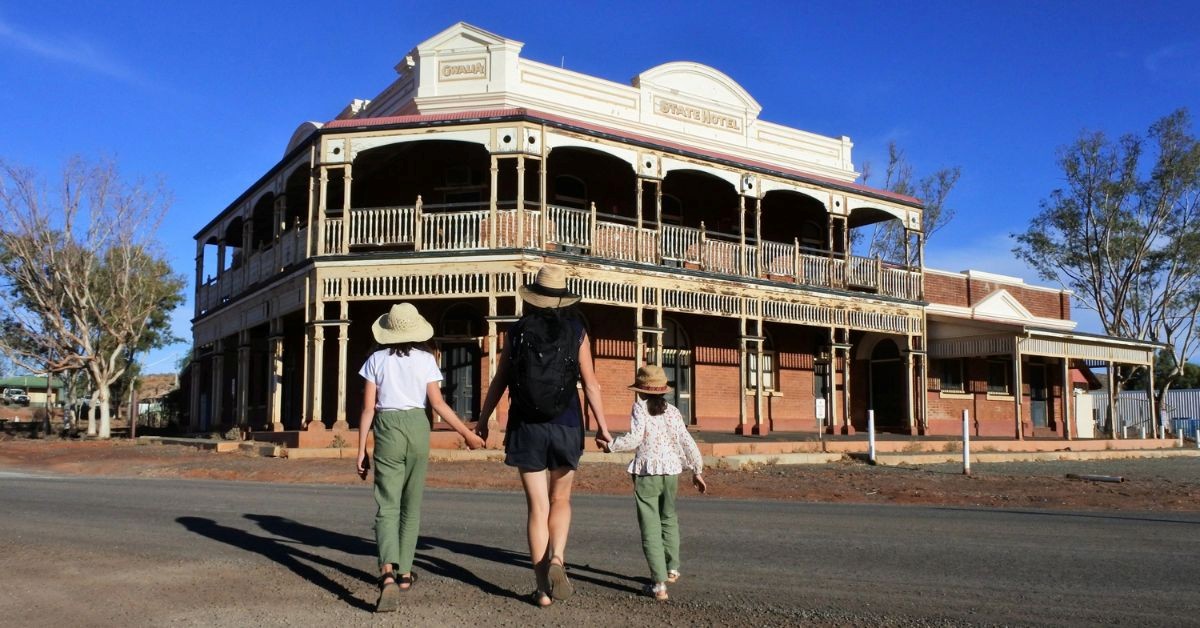
Local history can add depth to your travels by revealing the stories behind regional food, familiar landmarks, neighborhoods, and scenic routes.
A street lined with old storefronts can look charming at first glance, while a riverside settlement may seem like little more than a scenic place to stop. Once you know why people built there, how they made a living, or what once brought travelers through the area, those same surroundings begin to tell a much more interesting story.
For curious travelers, the ways local history can change how you travel begin with looking beyond what a destination presents on the surface. A little historical context can guide you toward details you might otherwise pass without noticing and give you a stronger sense of how the place in front of you became what it is today.
1. Historic Routes Make the Landscape More Meaningful
Mountains and rivers may attract travelers because of their scenery, but geography has influenced human movement for generations. Looking into older transportation and trade routes can reveal why settlements developed in particular locations. It can also explain why certain corridors became important long before modern highways made travel easier. Following those connections can reveal relationships between places that appear isolated on a modern map.
The Salmon River country in Idaho offers a good illustration of that connection. Rugged terrain once made travel challenging, and historical trading posts along the Salmon River show how commerce developed around the routes people could realistically navigate. With that context, a modern traveler can look beyond the scenery and recognize how the landscape influenced movement between communities. Even the distance between two locations can feel different when you consider what traveling it required before paved roads and modern vehicles.
2. Old Neighborhoods Reveal How People Lived
Historic neighborhoods can provide glimpses into everyday life that famous monuments cannot always capture. The width of streets, location of businesses, and types of homes can reflect how residents worked or moved through their communities. Looking into a neighborhood’s origins before visiting can make those seemingly ordinary details much easier to recognize. Changes between neighboring blocks may even reflect different periods of growth as a town expanded.
Consider whether an area developed around a port, railway, religious community, or particular industry, then look for traces of that history while walking. Pay attention to the neighborhood as it functions today, too. Some historic districts still support longtime residents and local businesses, while tourism has substantially changed others. Comparing older uses with present-day ones can reveal how communities adapt while retaining pieces of their identity.
3. Local Food Starts Telling a Larger Story
Food provides one of the most enjoyable connections between history and travel because regional cooking can reflect generations of change. Familiar ingredients may reveal what farmers could grow locally or what merchants introduced through trade. Recipes can carry influences from people who migrated to an area and adapted their cooking to ingredients available in their new surroundings. Even dishes now associated closely with one destination may reflect exchanges that happened far beyond its borders.
Food-loving travelers can look for those connections in local markets and family-run restaurants, especially when regional ingredients have strong ties to the surrounding landscape. Visiting destinations that teach you about food origin can bring that relationship into clearer focus by showing where familiar foods begin before they reach a kitchen or dining table. With some historical context, tasting a regional specialty becomes an opportunity to understand why people cook it there and how it became part of the local identity.
4. Museums Can Give You Context Before Sightseeing
The timing of a museum visit can affect how useful it becomes during a trip. Travelers frequently leave museums until a rainy afternoon or an open spot in the itinerary, yet visiting a local history museum near the beginning can provide context for places you will encounter later. An exhibit might introduce an industry that shaped the town or explain why a particular community settled there. Historic photographs can be especially useful because they allow you to compare earlier streetscapes with what occupies the same location today.
Once you return outside, details from the exhibits can begin appearing in the places around you. You might recognize a street name connected to a local figure or understand why an older commercial district sits where it does. You do not need to memorize dates to gain that perspective. Concentrating on a few stories connected with places you expect to visit can make later sightseeing feel like a continuation of what you have already encountered.
5. Famous Landmarks Can Challenge First Impressions
Popular landmarks arrive with expectations because travelers encounter the same photographs and descriptions repeatedly while planning a trip. Historical context can direct your attention beyond the feature everyone photographs, revealing why a site mattered before tourism made it recognizable. Knowing its original purpose may even change which parts of the site deserve the most attention during your visit.
An old fort, for instance, may make more sense once you understand why people chose its location. A railway station can reveal how transportation altered the surrounding town, while a bridge might show how previously separated communities became connected. Context becomes particularly valuable when little physical evidence survives. An unremarkable building or empty patch of land can carry considerable meaning once you know what happened there, allowing history to supply part of the experience that the landscape can no longer show.
6. Conversations With Local People Become More Specific
Some of the most interesting travel conversations begin when you can ask about something more specific than where to eat or which attraction to visit next. Reading a little local history beforehand gives you subjects that residents, guides, or business owners may have personal experience with. Someone who has watched a neighborhood change for decades may notice continuities that never appear in a visitor brochure.
You might ask how an old commercial district has changed or whether a regional food tradition still holds the same place in community life. Local perspectives can add nuance to what you have already read, especially when different generations remember a place differently. When the subject involves difficult or contested history, open questions and attentive listening leave room for perspectives that may complicate the simplified version visitors encounter elsewhere.
Let the Past Become Part of the Trip
Bringing history into a vacation does not require turning the itinerary into a study session or spending every afternoon inside a museum. Choosing a few stories connected with places you already want to visit can provide enough context to make ordinary details more noticeable and give familiar sightseeing stops greater depth.
The value behind the ways local history can change how you travel comes from connecting what exists today with the people and events that influenced it. Once you know why a route mattered or how a tradition developed, you can experience a destination with greater context while still leaving plenty of room for the spontaneity that makes travel enjoyable.
(0)