
15 October, 2023
[huge_it_share]
How To Make Best Authentic Kolkata Chicken Chaap Recipe
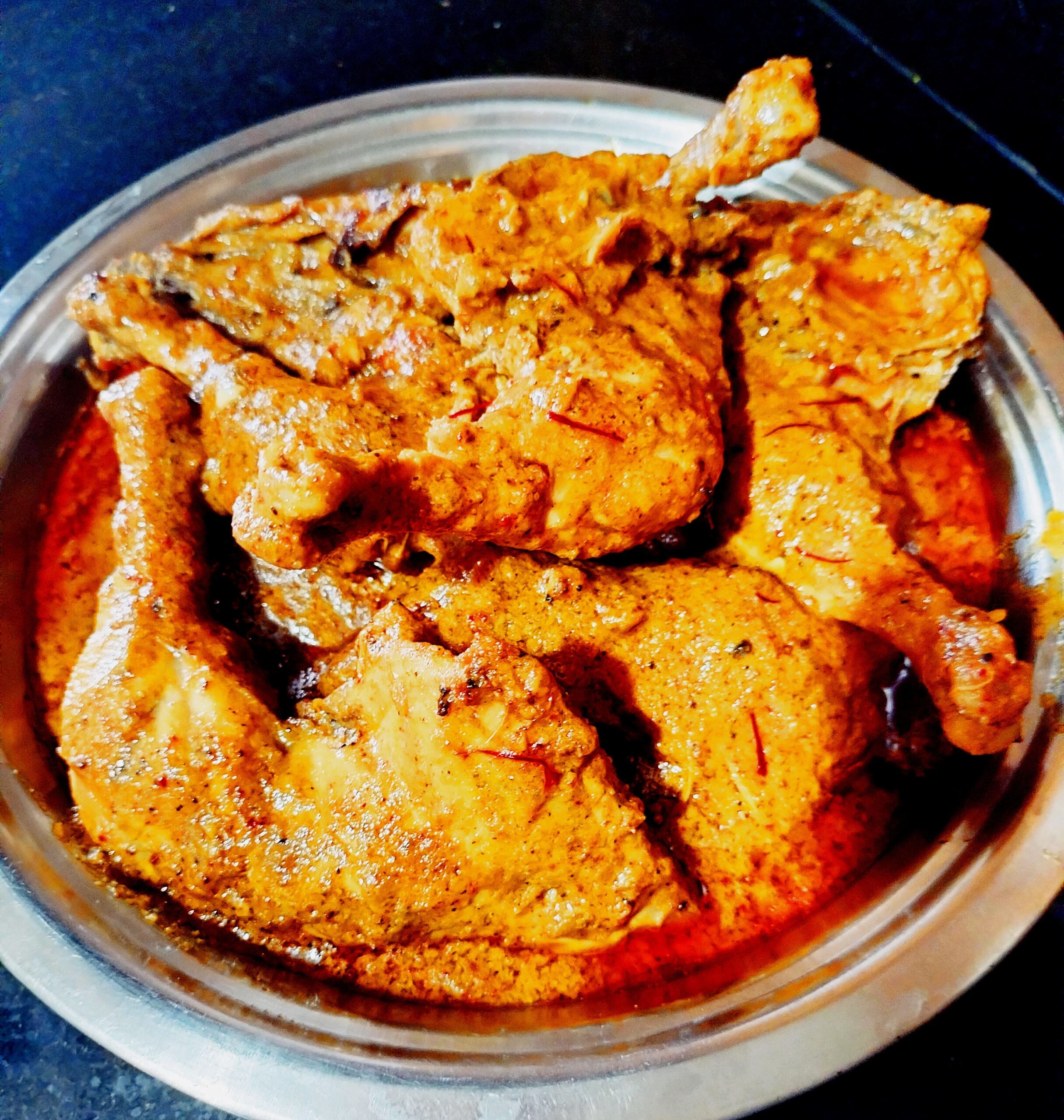
Chicken Chaap became highly popular in Bengal during the historic rule of the Nawabs. Traditionally, it is immensely popular during major Bengali festivals like Durga Puja. This classic food combination is frequently served as part of a grand festive menu. Furthermore, this delicious dish can also be served with Naan or rumali rotis. Interestingly, I have often observed this dish being cooked at home, mostly during special family gatherings.
During my childhood and teen days in Kolkata, I haven’t observed this amazing dish being cooked at home, mostly may be because it is a Mughlai dish, and in the kitchen of people following Hinduism, chicken was not a popular ingredient. Mutton or lamb meat was mostly preferred at home. Another theory may be chicken chaap was so readily available in the restaurants of Kolkata, it is not necessary to prepare it at home. There are restaurants like Shiraz, Nizam and Arsalan who are popular for delicious chicken chaap in their menu.
Ingredients
Main Ingredient
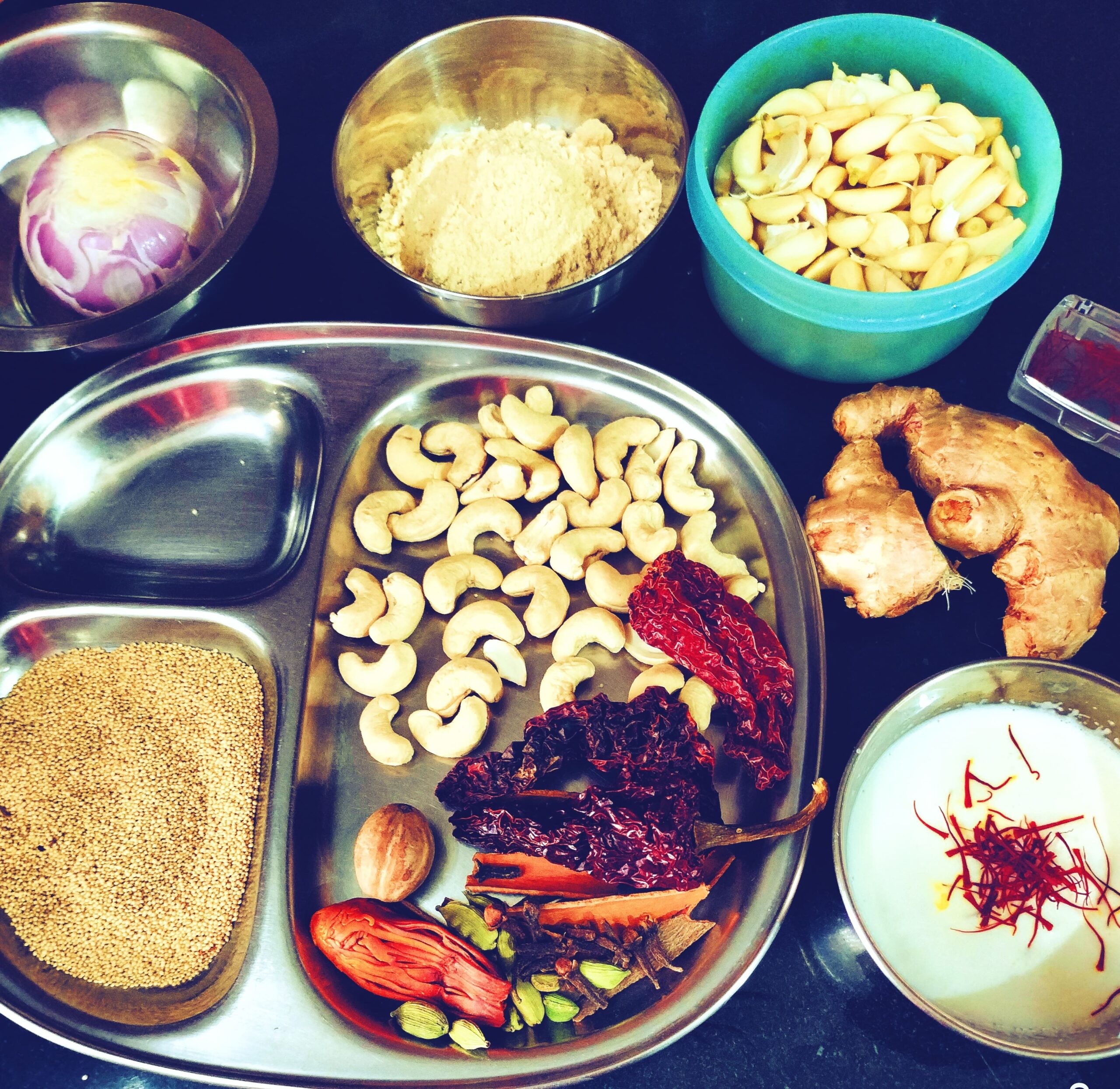
- Chicken 6 full Leg pieces
Marination
- 1 big onion
- 8 to 10 medium garlic cloves
- 2 inch ginger peeled
- 2 red chilies
- 1 cinnamon stick
- 4 to 6 green cardamom
- 3 to 4 cloves
- 1 Mace
- 1/2 nutmeg grated
- 1/2 cup hung curd
- 4 to 5 green chilies
- 2 tbsp sattu (roasted gram flour)
- Salt as per taste
Gravy
- 10 to 12 cashew nuts (soaked in water)
- 3 tbsp of poppy seeds (soaked in water)
- 1 cup milk
Aromatics
- 4 to 5 strands of saffron
- 1 tbsp kewra water
Fat
- 1 cup mustard oil
- 4 tbsp of clarified butter or ghee
Preparations
Marinate
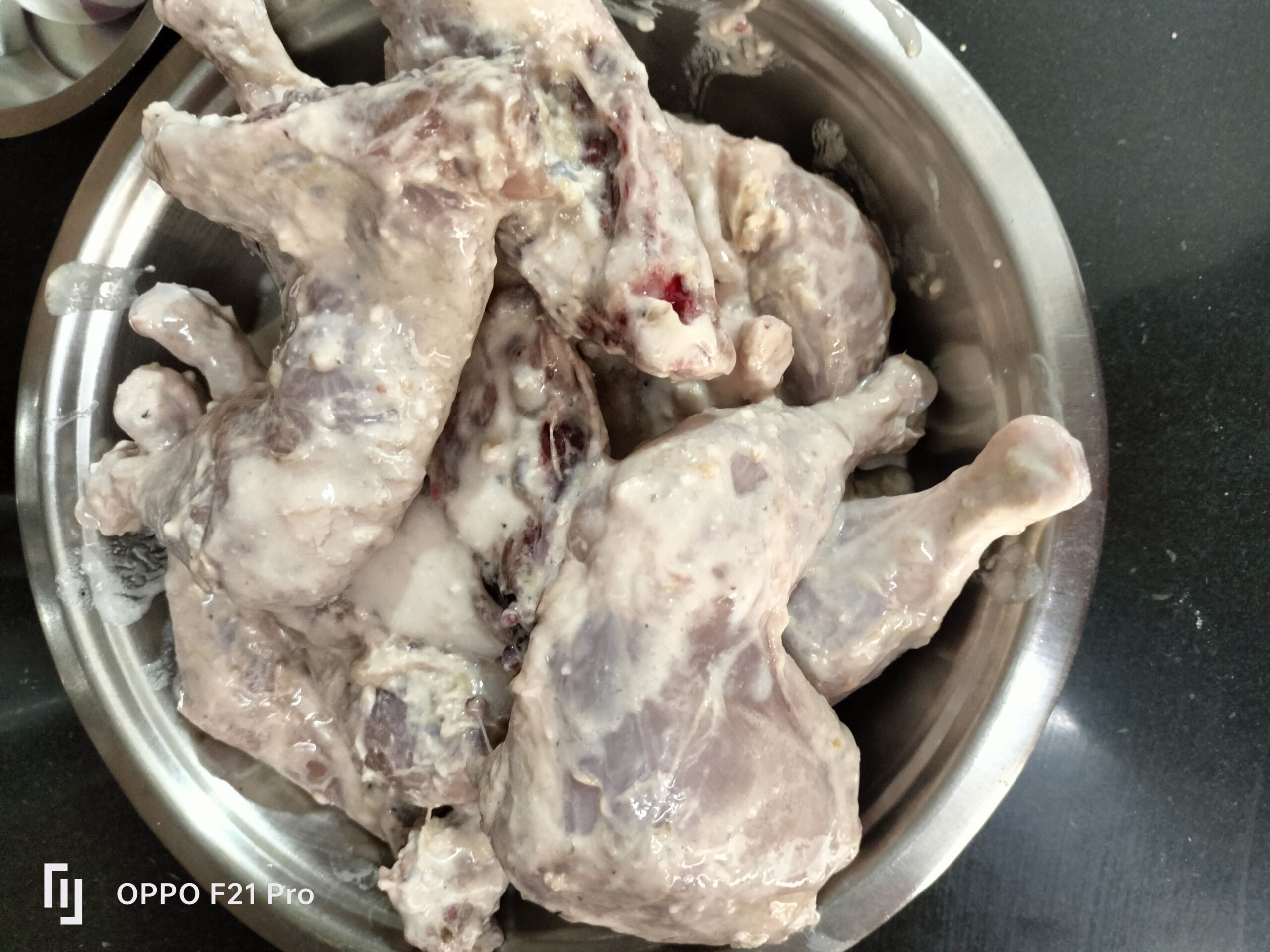
- Make a fine paste of the marination
- Make 2 to 3 cuts on the chicken legs
- Marinate the chicken legs for 4 to 5 hours
- Soak the saffron strands in warm milk and keep it ready
Fry
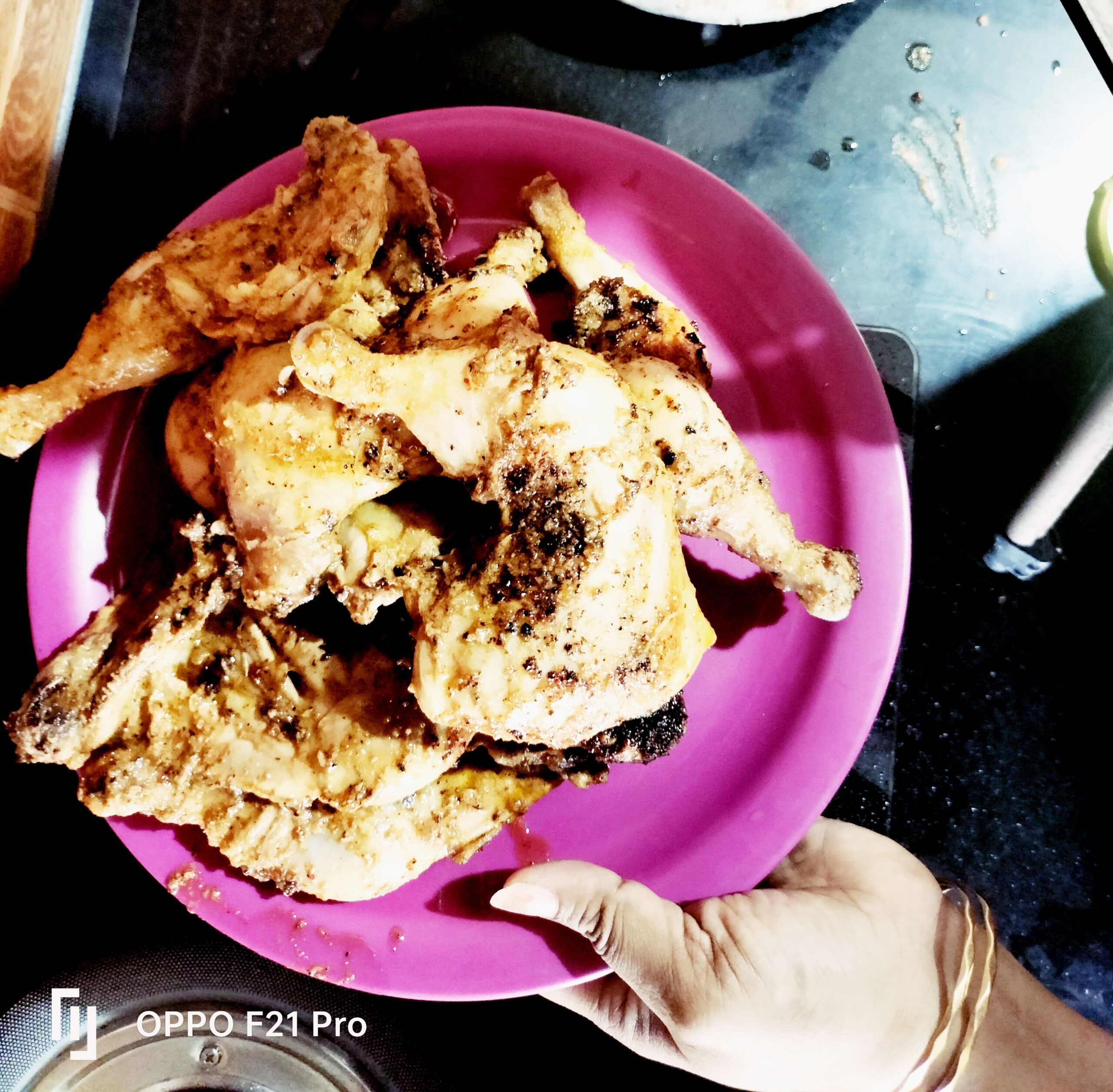
- Heat mustard oil in an iron wok and fry the chicken legs on medium heat
- Fry both the sided after flipping till they are light brown.
- Preferably fry one or two at a time.
- Don’t overcrowd the wok.
Gravy
- Heat ghee or clarified butter in a pan
- Add the remaining marinate and fry
- Make a paste of cashew nuts, poppy seeds.
- Add the paste in the pan and fry
- Add the chicken pieces and mix
- Cover cook on slow flame
- Add milk in small quantity , stir and cover cook
- Add kewra essence.
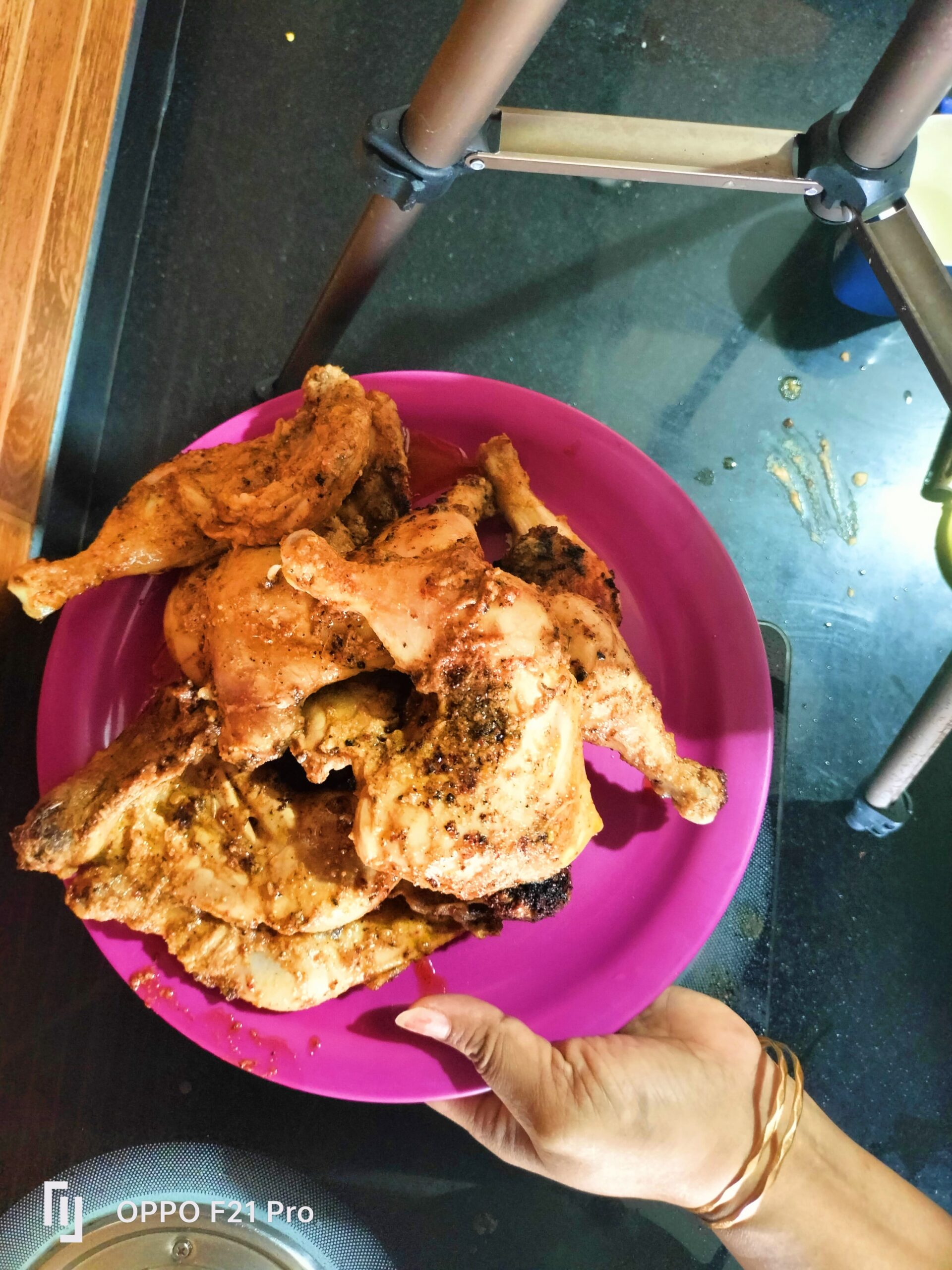
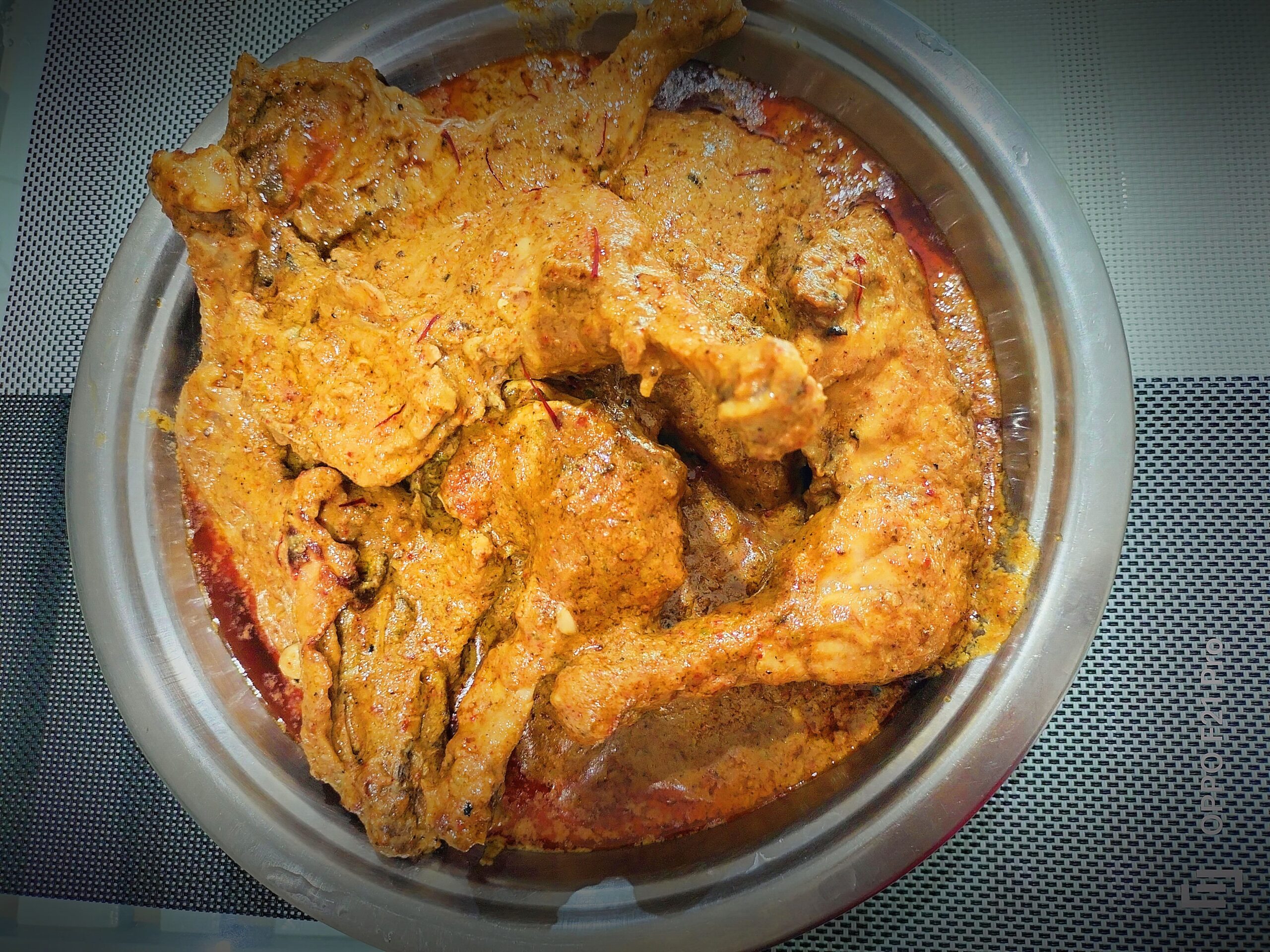
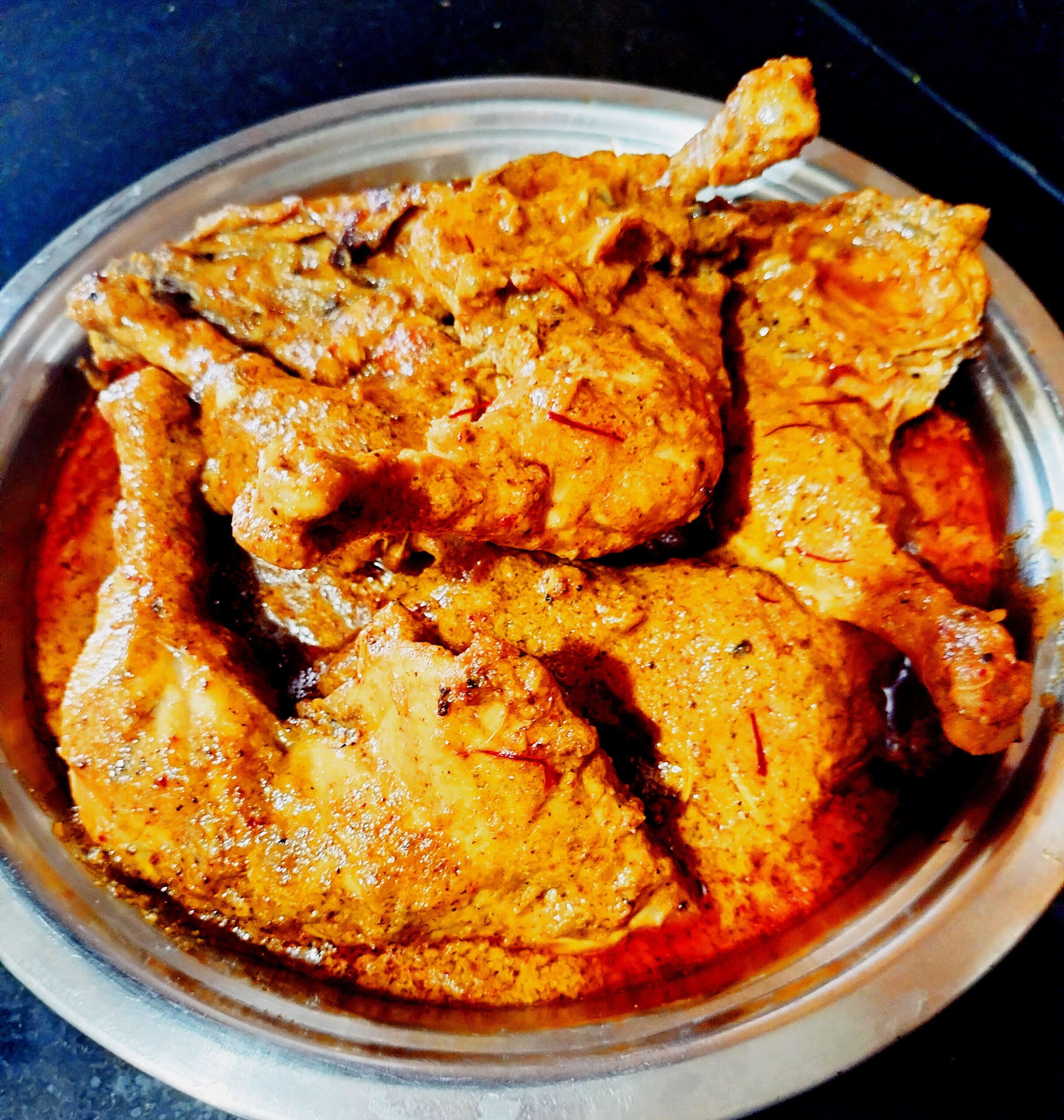
Chicken chaap | chicken chaap kolkata style
Ingredients
Ingredients
Main Ingredient
- Chicken 6 full Leg pieces
Marination
- 1 big onion
- 8 to 10 medium garlic cloves
- 2 inch ginger peeled
- 2 red chilies
- 1 cinnamon stick
- 4 to 6 green cardamom
- 3 to 4 cloves
- 1 Mace
- 1/2 nutmeg grated
- 1/2 cup hung curd
- 4 to 5 green chilies
- 2 tbsp sattu roasted gram flour
- Salt as per taste
Gravy
- 10 to 12 cashew nuts soaked in water
- 3 tbsp of poppy seeds soaked in water
- 1 cup milk
Aromatics
- 4 to 5 strands of saffron
- 1 tbsp kewra water
Fat
- 1 cup mustard oil
- 4 tbsp of clarified butter or ghee
Instructions
Preparations
Marinate
-
Make a fine paste of the marination
-
Make 2 to 3 cuts on the chicken legs
-
Marinate the chicken legs for 4 to 5 hours
-
Soak the saffron strands in warm milk and keep it ready
Fry
-
Heat mustard oil in an iron wok and fry the chicken legs on medium heat
-
Fry both the sided after flipping till they are light brown.
-
Preferably fry one or two at a time.
-
Don’t overcrowd the wok.
Gravy
-
Heat ghee or clarified butter in a pan
-
Add the remaining marinate and fry
-
Make a paste of cashew nuts, poppy seeds.
-
Add the paste in the pan and fry
-
Add the chicken pieces and mix
-
Cover cook on slow flame
-
Add milk in small quantity , stir and cover cook
-
Add kewra essence.
Video
More Traditional Recipes to Explore
If you enjoy mastering legendary, slow-cooked non-vegetarian dishes, don’t miss out on these other favorite guides from the blog:
- The Perfect Rice Pairing: Complete your festive Mughlai feast by serving this dish alongside my step-by-step authentic smoky Mandi Biryani recipe.
- The History of the Flavors: This style of cooking is heavily influenced by royal culinary arts. You can read more about the fascinating historical origins of Mughlai cuisine on Wikipedia to see how these rich spice profiles developed.
(841)